Maeklong Railway Market Tour
Maeklong Railway Market Day Tour
Tours & tickets

Maeklong Railway Market Day Tour

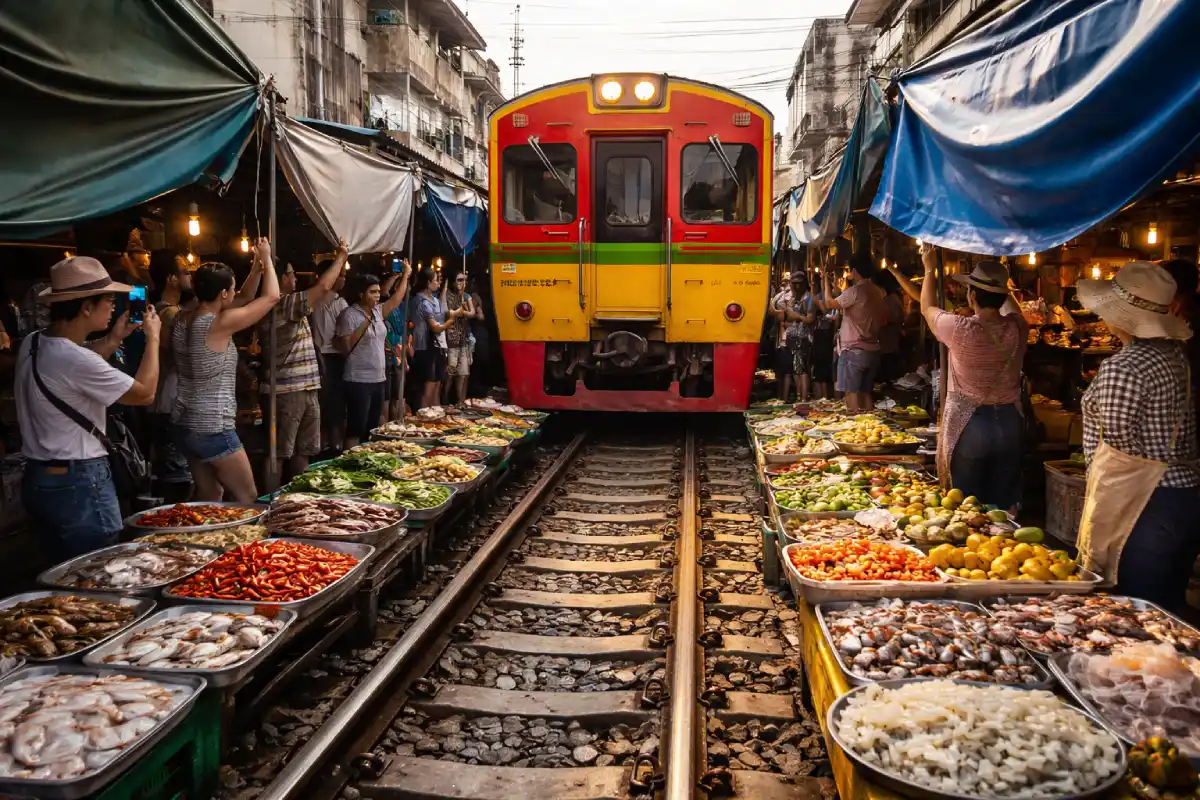
Watch vendors fold awnings seconds before the train rolls through, return to trade minutes after it departs.

Hand-picked by our editors — only the best 5 experiences from 12 reviewed.

Free cancellation Instant confirmation Mobile voucher Verified partner Book now, pay later
Tickets

Choose your ticket

Verified partners for every tour, free cancellation where available, and instant confirmation on every booking.

Maeklong Railway & Damnoen Saduak Floating Markets Day Tour 7 hr 30 min
Guided Experience

Maeklong Railway & Damnoen Saduak Floating Markets Day Tour

★ 4.6 (29232)
€21
per person
Instant Mobile voucher Flexible — change up to 24h

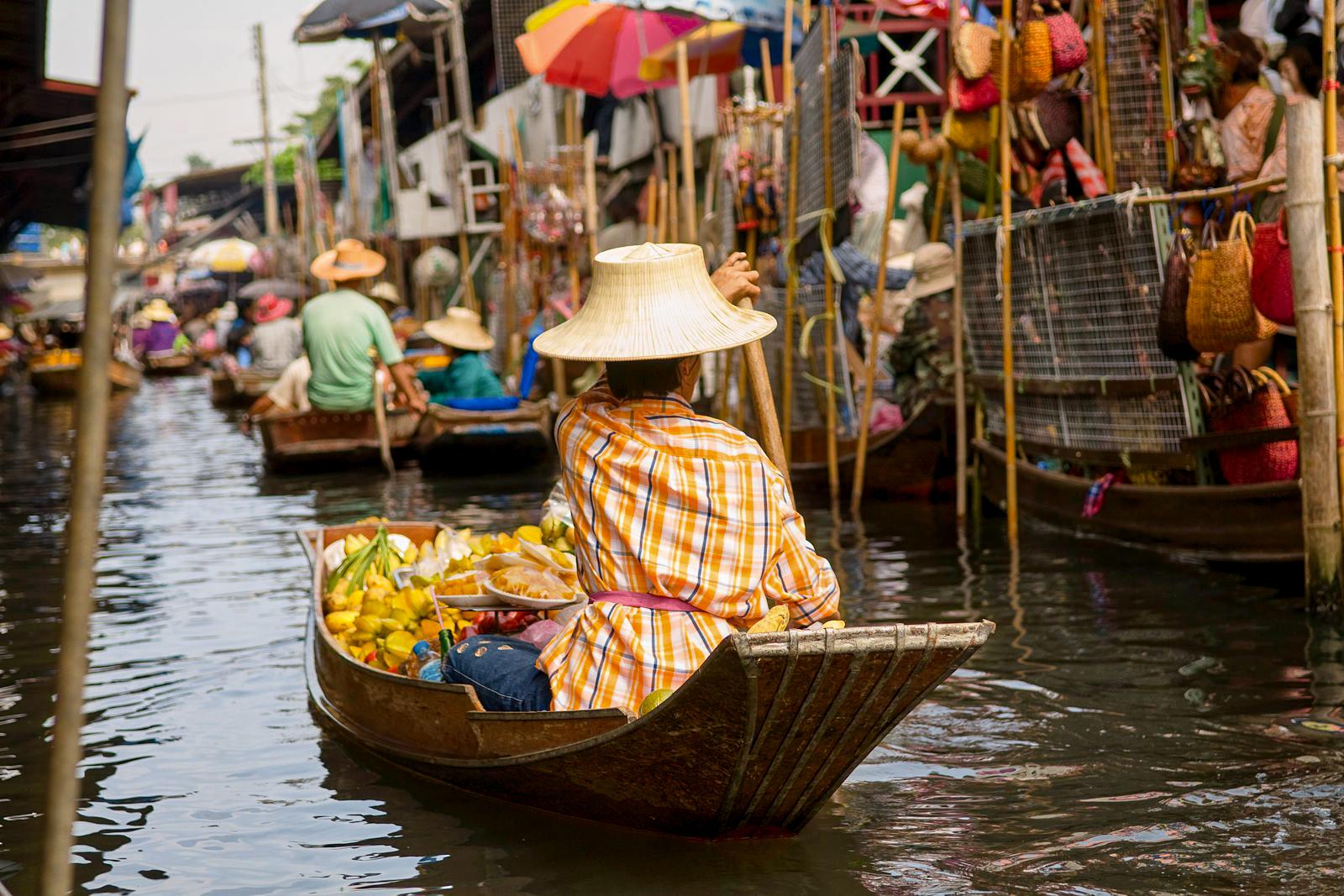
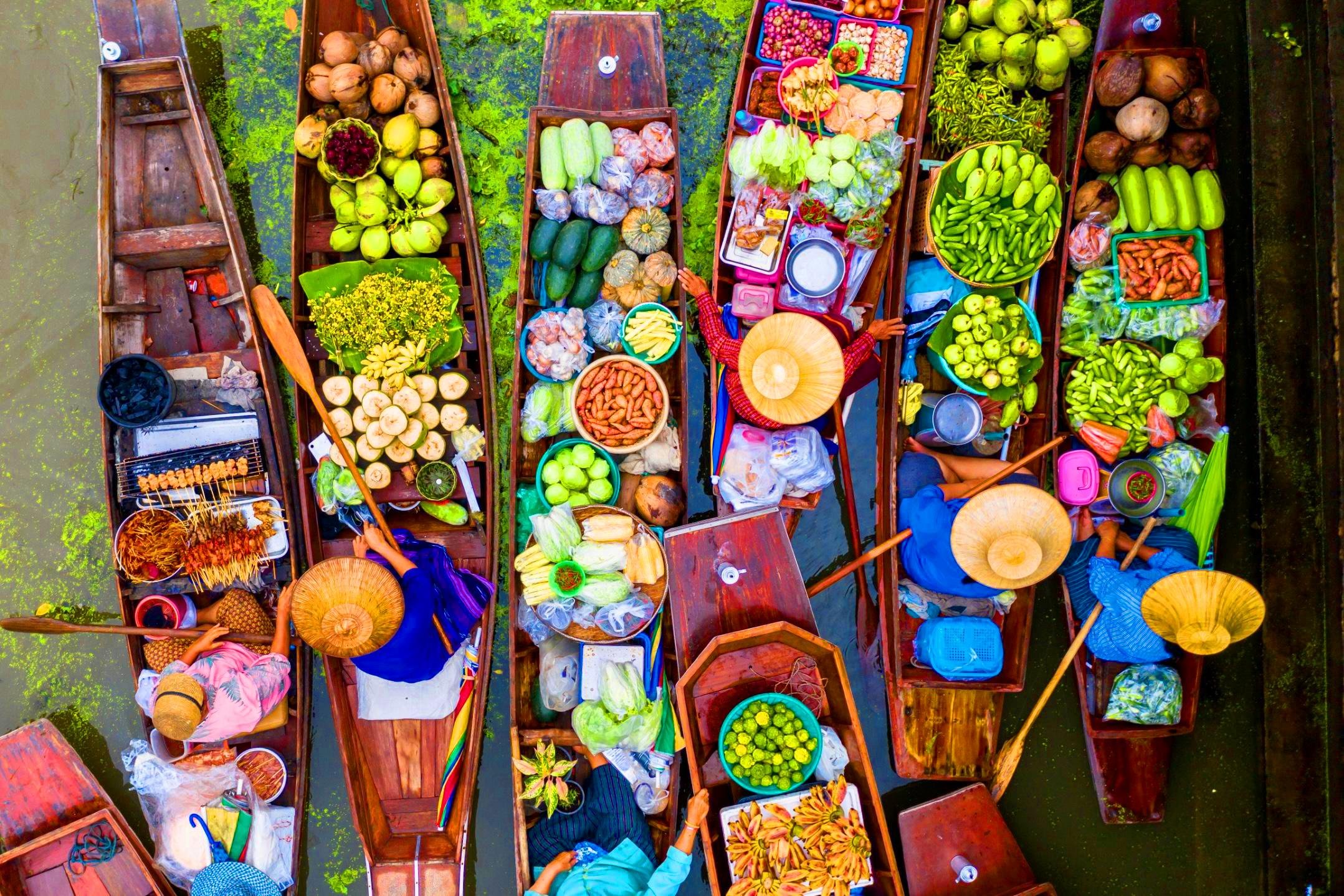
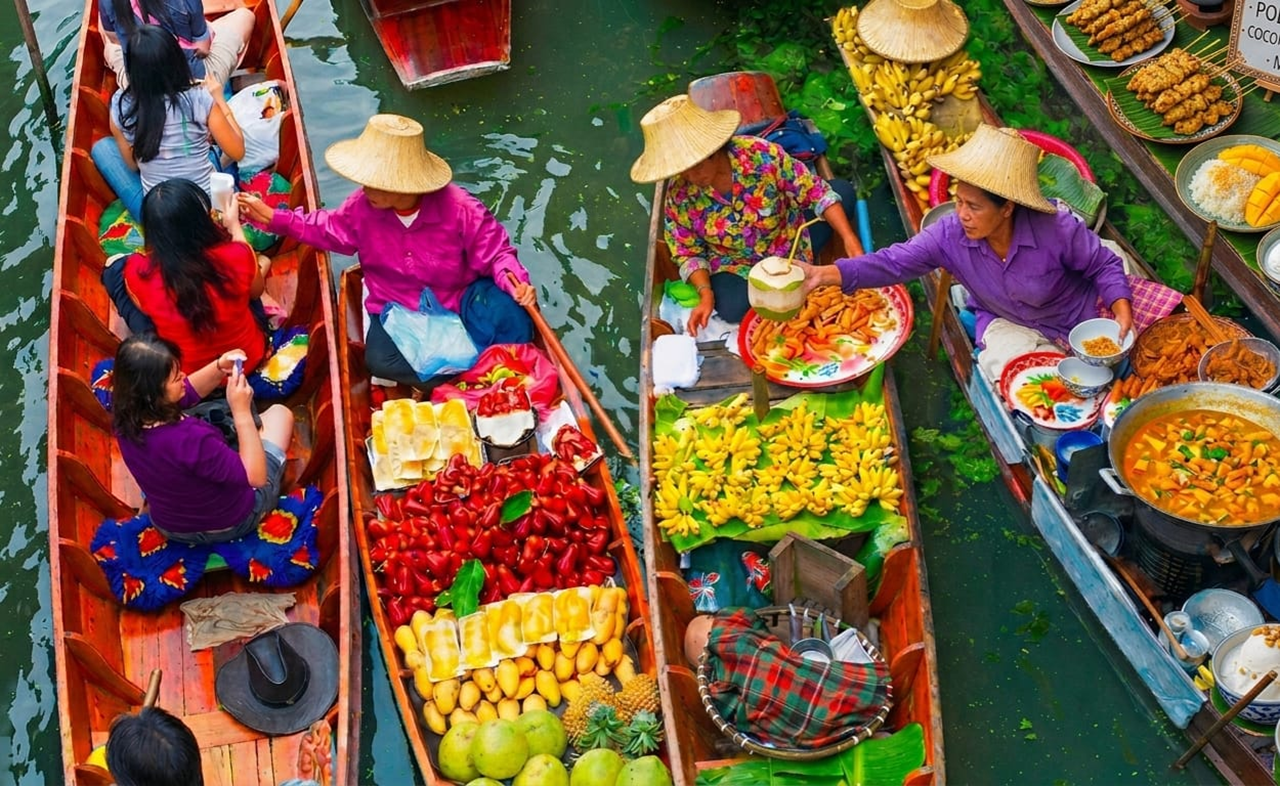
Visit two legendary Thai markets in one day: watch trains glide through vendors and paddle through floating canals

Reserve
Maeklong Railway & Damnoen Saduak Floating Markets 8 hr 30 min
Guided Experience

Maeklong Railway & Damnoen Saduak Floating Markets

★ 4.9 (11582)
€16
per person
Instant Mobile voucher Flexible — change up to 24h

Board a local train, cruise through canals by longtail boat, and explore two of Thailand's most iconic markets.

Reserve

Prices from verified partners. Availability updates in real time at checkout. Free cancellation policies apply where shown.

Highlights

What you'll see inside the attraction

The landmarks, rooms, and views travelers on this tour remember — all visible on a single visit.

Maeklong Railway Station

The historic terminus where the train journey concludes for local commuters.

Talad Rom Hup Tracks

The central 100-meter strip where vendors retract stalls for the daily train passage.

Fresh Seafood Zone

Known as one of the largest regional hubs for dried and fresh fish products.

Market Umbrellas

The iconic colorful awnings that provide shade and fold away in seconds.

Local Commuter Train

The operating locomotive that provides a vital transport link for local residents.

Head to head

Maeklong Railway Market Day Tour vs Damnoen Saduak Floating Market

They complement each other, though most visitors who do both find the Maeklong Railway Market day tour more jarring due to the unique logistical proximity of the train tracks.

Feature Top pick Maeklong Railway Market Damnoen Saduak Floating Market
Market environment
Canals and waterways
Primary transport mode
Long-tail boat
Sensory intensity
Visual congestion with vendors
Cultural focus
Traditional river commerce
Typical tour pairing
Maeklong Railway Market day tour tours

Verdict: Travelers seeking a distinct Bangkok landmark experience often purchase maeklong railway market day tour tickets to contrast the frantic train-side activity with the canal-focused movement of the floating market, including many maeklong railway market day tour tour packages that bundle both activities.

How your ticket works

Book your ticket in 3 steps

  1. 01

    Book online

    Choose your ticket, select your date, and reserve in under two minutes. Secure checkout handled by our verified partner.

  2. 02

    Receive your mobile voucher

    Instant confirmation by email, with a mobile voucher you can save offline. No printing, no queuing at a collection desk.

  3. 03

    Show & enter

    Arrive at the entrance, show your voucher on your phone, and walk in. Most tickets include priority or skip-the-line access.

Around your visit

Everything else worth knowing

Best time to go, insider tips, nearby landmarks, and the cancellation fine print — flip through to skim what matters to you.

Cancellation policy

Flexible, no hidden fees.

Most bookings through operators allow cancellation up to 24 hours before the activity for a full refund. Entrance to the market area remains 0 THB (Free entry) for all visitors.

About

The place, in context

Eight times daily, vendors at Mae Klong market retract canvas awnings, pull back produce crates, and flatten wooden stalls to the rail edge in under thirty seconds. The State Railway of Thailand's southern line bisects the market along Kasem Sukhum Alley in Samut Songkhram, seventy kilometres southwest of Bangkok, and the 08:30 and 11:10 northbound services pass within centimetres of chilli pyramids, dried fish racks, and lotus stems arranged along the track bed. The market earned its nickname — Talat Rom Hup, or "umbrella pulldown market" — from this choreographed collapse, a ritual performed since the line opened in 1905 and the market spread across the right-of-way decades later. Maeklong Railway Market day tour departures from Bangkok bundle the train passage with stops at Damnoen Saduak floating market, the dragon-wrapped Wat Samphran temple, or both. Most operators schedule arrival between 08:00 and 09:00 to position groups trackside before the morning northbound service. The market itself operates daily from 06:00 to 18:00 with no entrance fee, drawing vendors who sell directly from wooden stalls built against the rail sleepers. Seafood dominates the inventory — squid, mackerel, razor clams — alongside tropical fruit, coconut sweets, and yard goods. The folding sequence reverses after each passage: awnings rise, crates return to the track centre, and commerce resumes within two minutes. The railway carries passengers between Ban Laem on the Gulf of Thailand coast and Mahachai, where a ferry crossing links to the Bangkok-bound Thonburi line. Freight traffic remains minimal, and the four daily train pairs serve commuters and tourists. Mae Klong station sits at the market's western terminus, a single-platform halt with a manually operated signal box. Photography concentrates on the 08:30 and 14:30 southbound departures, when the locomotive horn triggers the stall collapse in daylight. Tour operators favour morning schedules to combine the 08:30 passage with a floating-market paddle before midday heat peaks. The market's persistence reflects Samut Songkhram's role as a coastal fishing hub and the railway's resistance to modernisation. Track gauge remains metre-standard, rolling stock dates to the 1980s, and the line receives no electrification funding. Vendors pay no formal rent and hold informal agreements with railway authorities. The trackside economy sustains three hundred stalls across a six-hundred-metre corridor, making Mae Klong one of Southeast Asia's last functioning rail markets.

"Eight times daily, vendors retract awnings and flatten stalls in under thirty seconds, then resume trade two minutes after the train clears."
Frequently asked

Frequently asked questions about maeklong railway market day tour tours

How should I dress for a maeklong railway market day tour?

Wear lightweight, breathable clothing and comfortable shoes, as the market is hot and requires walking on uneven ground.

Can I combine my maeklong railway market day tour with other landmarks?

Yes, many travelers combine their maeklong railway market day tour with visits to the nearby Damnoen Saduak or Amphawa floating markets.