8 hr
Bangkok Markets Explorer: Railway & Floating Market Boat Adventure
Discover two legendary Thai markets in one day—glide through canal-side vendors and witness trains threading through bustling stalls.
Reserve
Where commerce and rails collide, vendors retreat in seconds.
Hand-picked by our editors — only the best 12 experiences from 47 reviewed.
Verified partners for Maeklong Railway Market tours, free cancellation where available, and instant confirmation on every booking.
8 hr
Discover two legendary Thai markets in one day—glide through canal-side vendors and witness trains threading through bustling stalls.
Reserve
7 hr 30 min
Visit two of Thailand's most captivating markets in one day—witness trains rolling through vendors and explore canals by paddleboat.
Reserve
8 hr 30 min
Journey through canals by longtail boat and witness a train glide through a bustling market
ReservePrices from verified partners. Availability updates in real time at checkout. Free cancellation policies apply where shown.
The landmarks, rooms, and views travelers on Maeklong Railway Market tours remember — all visible on a single visit.
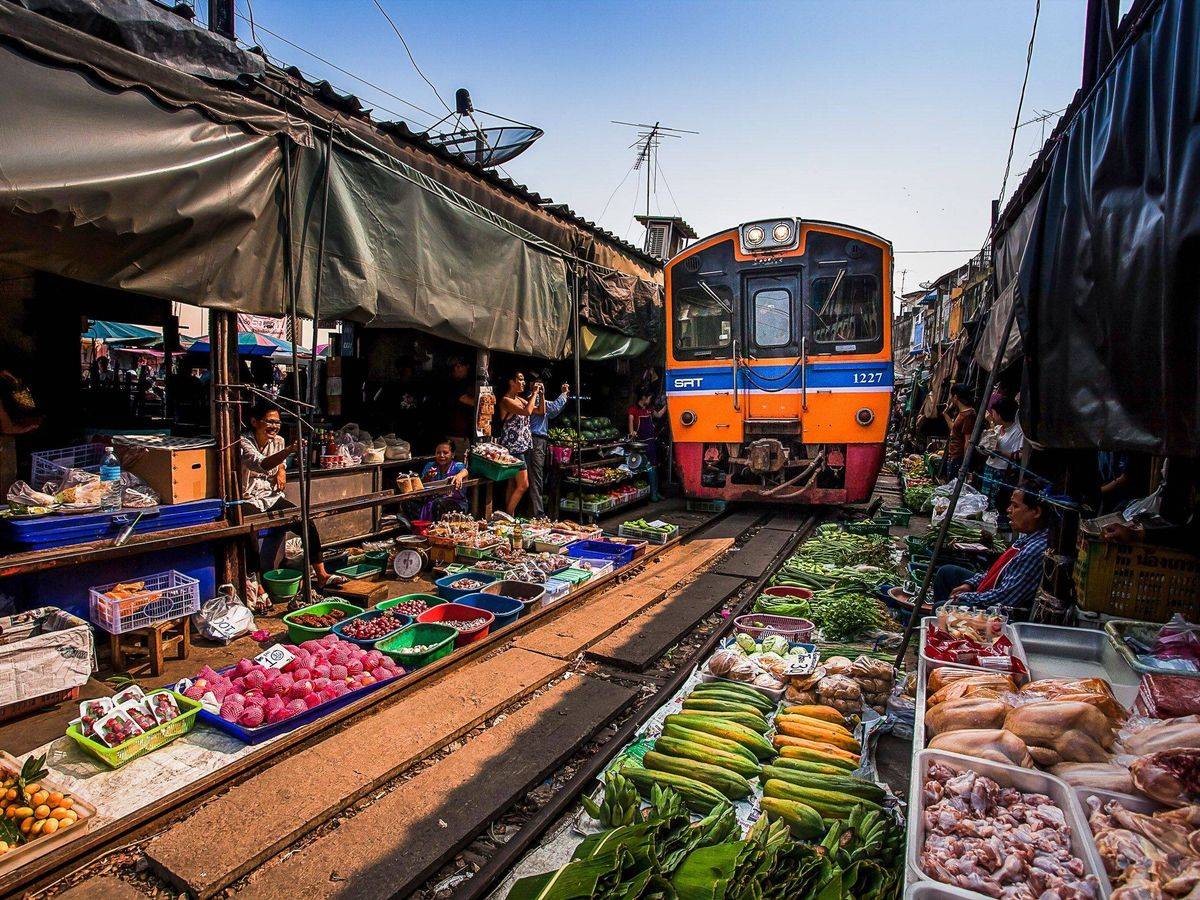
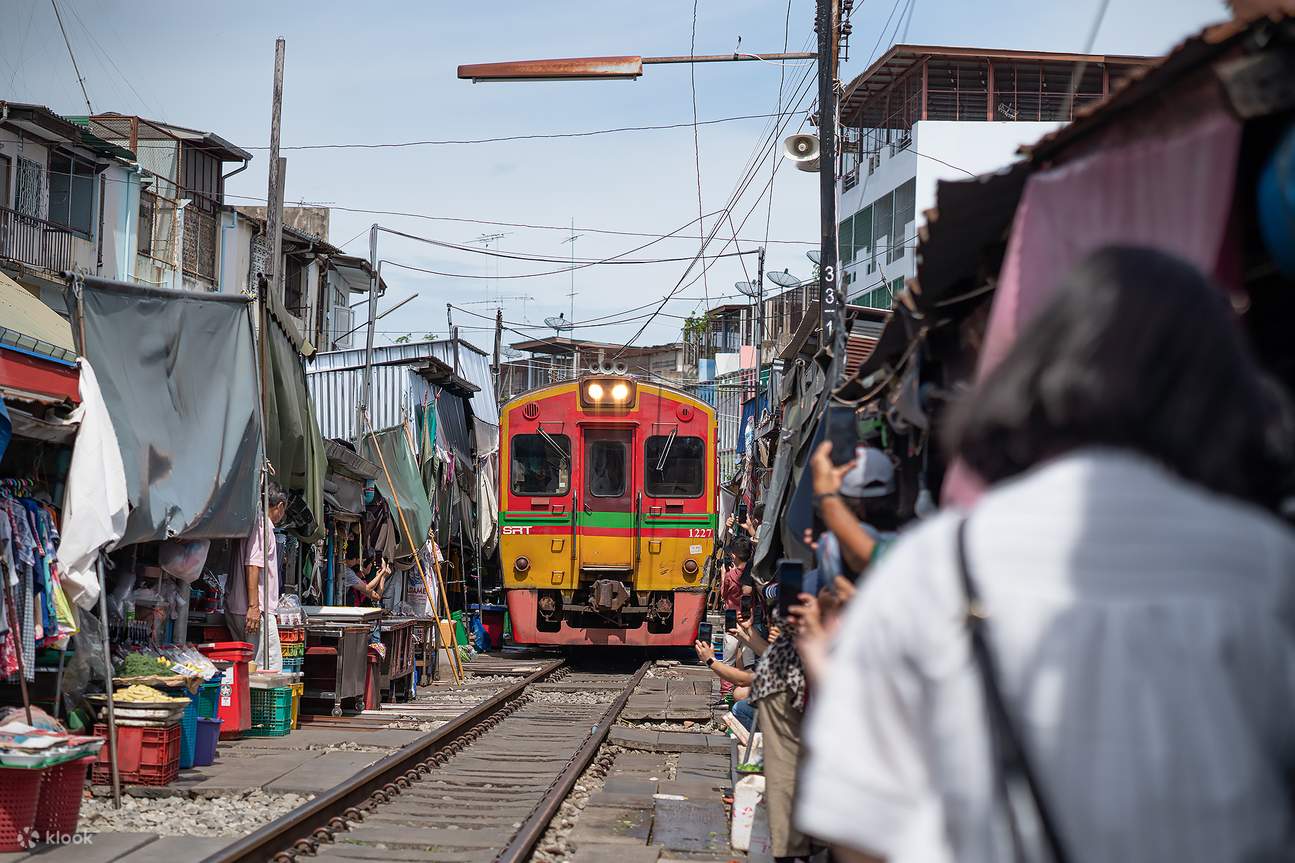
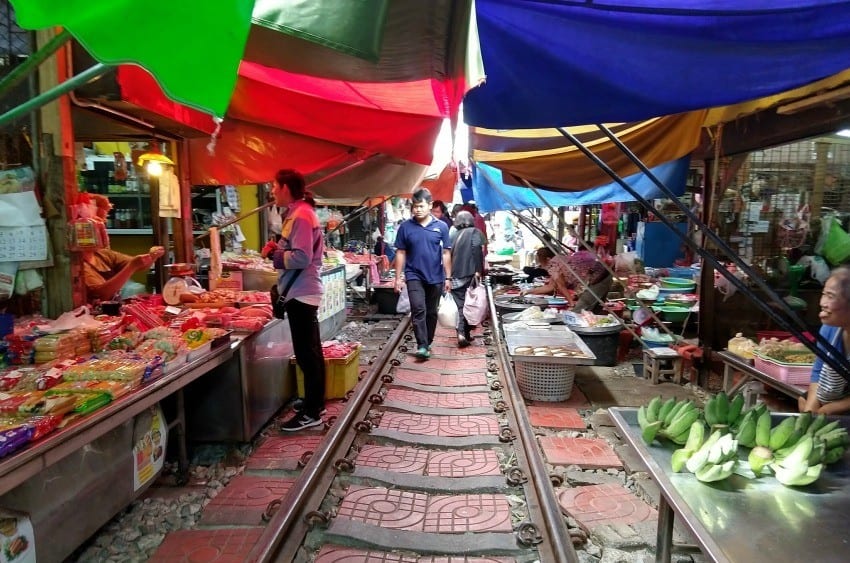
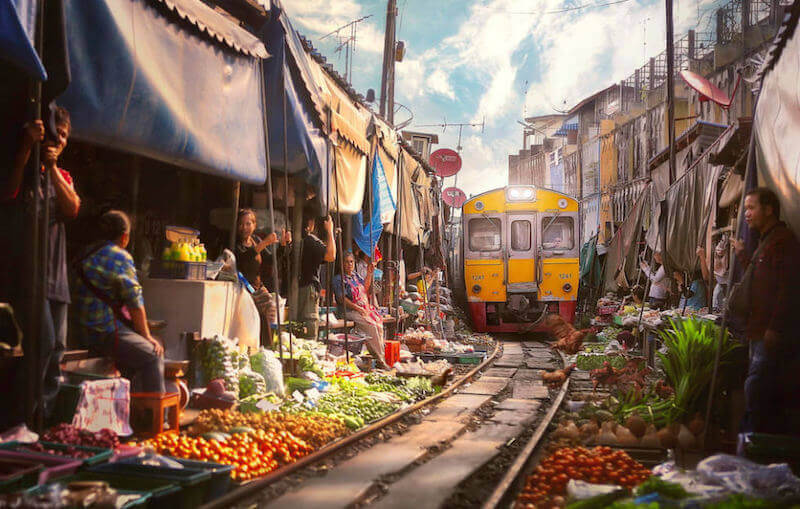
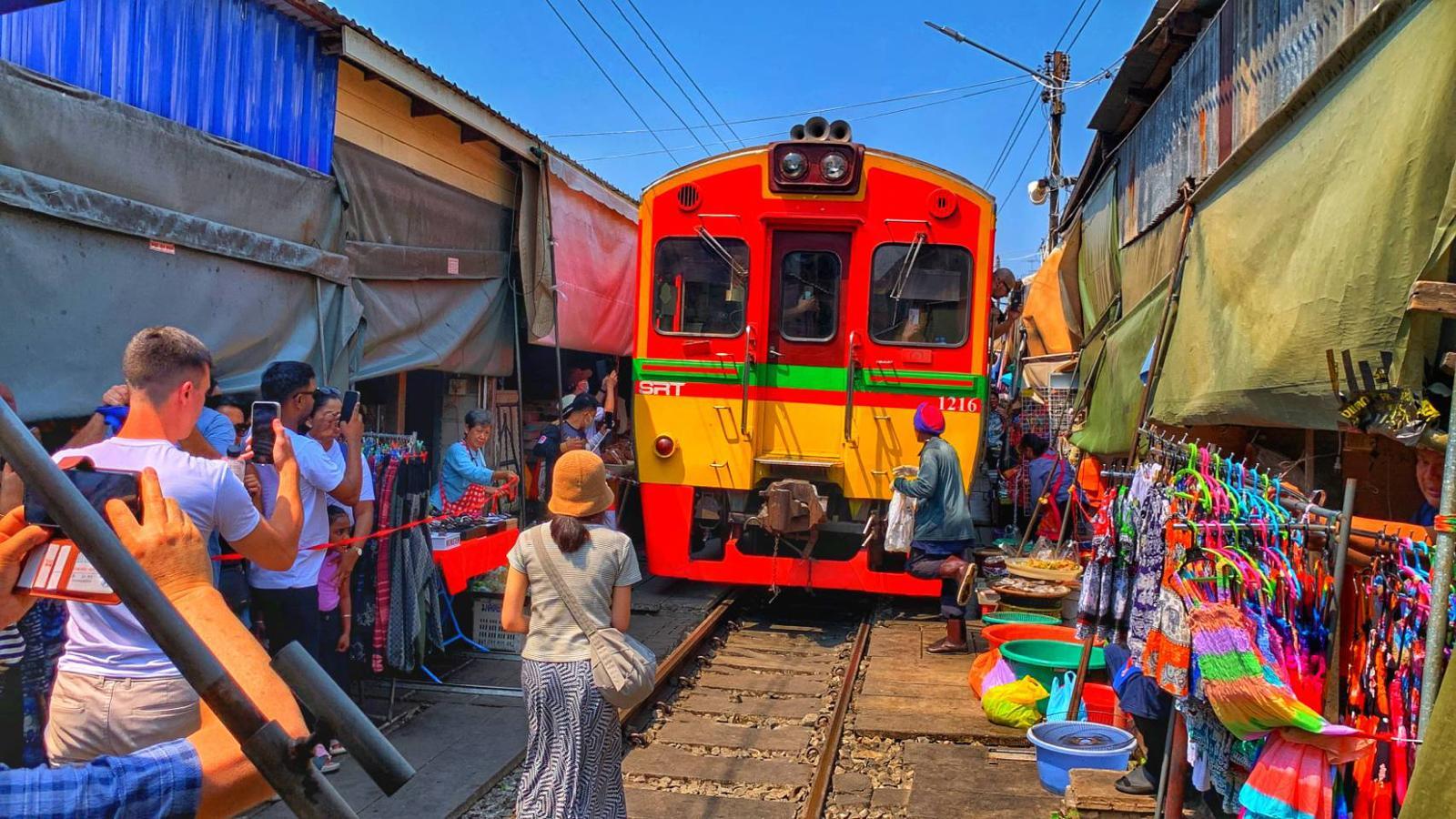
Watch as vendors quickly pull back their awnings and move goods from the tracks seconds before the train passes. This happens several times daily as part of the regional rail service.
Discover a wide variety of fresh local catch from the nearby coastal provinces displayed on low tables. The area is famous for its high-quality shellfish and local fishing industry.
Sample unique regional delicacies prepared fresh by local vendors. Look for sweet treats and savory snacks made with ingredients sourced from Samut Songkhram farms.
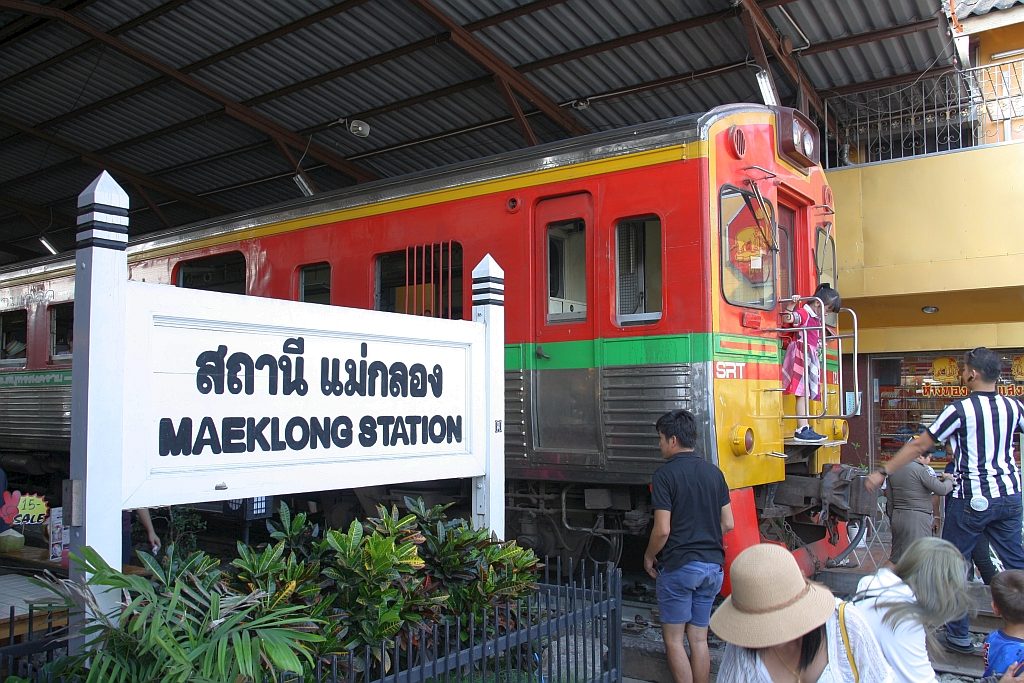
Visit the terminal station where the train stops briefly after navigating the crowded market. This is an ideal location to observe the rail operations.
Browse rows of vibrant vegetables, fruits, and spices that define the local culinary landscape. The scale of the market provides a direct link to the surrounding agricultural region.
Every Maeklong Railway Market tour side-by-side — duration, what's included, how you redeem.
| Experience | Duration | Rating | Skip-the-line | Guide | Small group | Free cancel. | Price | |
|---|---|---|---|---|---|---|---|---|
|
Guided Experience Most popular
Bangkok Markets Explorer: Railway & Floating Market Boat Adventure
|
8 hr | ★ 4.8 | ✓ | ✓ | ✓ | ✓ | €13 | Book → |
|
Guided Experience
Bangkok: Maeklong Railway & Damnoen Saduak Floating Markets
|
7 hr 30 min | ★ 4.6 | ✓ | ✓ | ✓ | ✓ | €21 | Book → |
|
Guided Experience
Floating Market & Railway Market Day Trip from Bangkok
|
8 hr 30 min | ★ 4.9 | ✓ | ✓ | ✓ | ✓ | €16 | Book → |
All prices from verified partners. Availability and exact terms confirmed at checkout.
They complement each other, but most visitors who do both find the rail-based trade more intense while the water-based Bangkok landmarks offer a more expansive perspective. Engaging in a maeklong railway market tour tours provides a distinct contrast to the canal-centric heritage sites.
| Feature | Top pick Maeklong Railway Market | Damnoen Saduak Floating Market |
|---|---|---|
Market Focus |
Railway tracks and fresh produce | |
Key Attraction |
Passing train through stalls | |
Mobility Experience |
Walking on foot | |
Typical Atmosphere |
High-stakes vendor movement | |
Vibe |
Urban industrial efficiency | |
Navigation |
Fixed track-side paths | |
| See tickets → |
Verdict: Choose the maeklong railway market tour tickets if you prefer mechanical spectacle, or select the boat-heavy rival if you prioritize navigating traditional waterborne commerce.
Choose your ticket, select your date, and reserve in under two minutes. Secure checkout handled by our verified partner.
Instant confirmation by email, with a mobile voucher you can save offline. No printing, no queuing at a collection desk.
Arrive at the entrance, show your voucher on your phone, and walk in. Most tickets include priority or skip-the-line access.
Practical details for Maeklong Railway Market tickets straight from our verified partners — hours, access, rules, and how to get there.
Kasem Sukhum Alley
Main train platform area
Open in Google MapsDirect hire from Bangkok city center provides the most flexibility. Travel time is approximately 1.5 hours depending on traffic.
Take a bus from Southern Bus Terminal to Samut Songkhram, then a short local taxi or songthaew.
Casual and modest attire is recommended for this market environment. Comfortable footwear is essential as you will be walking along uneven surfaces near the rail tracks.
Keep your belongings close and secure in a crossbody bag while navigating the crowded pathways. There are no official lockers available at this location.
Photography is encouraged, but stay mindful of your position relative to the incoming train. Do not stand on the tracks when the warning siren sounds.
The market is situated on flat, ground-level surfaces adjacent to the tracks. Navigating during peak train times can be difficult for those with limited mobility due to the dense crowds.
Mobile phone signal is reliable throughout the market area. Use your device to track the train schedule provided by your Maeklong railway market tour guide.
The environment is very active and loud, requiring close supervision of children at all times. Strollers are difficult to maneuver through the narrow stalls.
The area offers various local street food vendors selling fresh fruit, seafood, and Thai snacks. Ensure you drink bottled water to stay hydrated in the heat.
Pets are generally not recommended due to the confined space, heat, and moving train traffic. Keep animals away from the active rail line.
The primary Maeklong railway market tour experience centers on observing the market stalls retract as the train passes. Be prepared for the sudden change in environment when the train arrives.
Best time to go, insider tips, nearby landmarks, and the cancellation fine print — flip through to skim what matters to you.
How crowds, weather, and events shift across the year.
September brings manageable humidity, making it a good time for a Maeklong railway market tour. Clear mornings provide better light for photography.
November to February features the driest weather. Early morning hours are cooler, ideal for walking the narrow market paths.
March to May is the hottest period, so arrive by 08:00 to avoid the midday peak. Light clothing is advised.
June to August includes occasional rain showers, but the market remains operational. Use covered areas during brief downpours.
Small details that turn a good visit into a great one.
Listen for the train warning horn which sounds well before the engine arrives. Move your items back when shopkeepers retract their tables.
Small vendors often do not accept digital payments. Carry small denominations of THB for snacks and drinks.
These shops are active businesses, not just exhibits. Always ask before taking close-up portraits of vendors.
Confirm the current daily train arrival times upon arrival, as delays can occasionally occur on this regional line.
The market gets hot, especially when the crowd density increases. Buy water from local stalls to support the community.
If on an organized Maeklong railway market tour, stay with the group to ensure you do not miss the train passing event.
Non-bookable sights within a short walk — free to visit, easy to pair.
A significant royal temple housing a revered Buddha image. The site features intricate architecture and serene grounds.
A vital waterway used for local transport and fishing. Provides a scenic backdrop for photos near the market.
A local religious site known for traditional Thai craftsmanship. It offers a quiet contrast to the busy railway area.
Flexible, no hidden fees.
Since the Maeklong railway market tour has an entrance fee of 0 THB (Free entry), no cancellation fees apply. Visitors are encouraged to confirm private transport arrangements directly with their chosen operator.
Hand-picked options within walking distance — pick a district for vibe, or a specific hotel for convenience.
Located near the river with classic wooden décor.
Simple lodging suitable for early morning market arrivals.
Offers diverse guesthouses along the canal areas.
Eight times daily, the State Railway of Thailand's Mahachai Line threads through a working wholesale market where vendors have sixty seconds to collapse their awnings, retract produce baskets, and fold canvas canopies flat against the rails.
Talat Rom Hup—literally "umbrella pulldown market"—has occupied this route since 1905, predating the line's full extension to Samut Songkhram by a decade. What began as informal stalls near the original terminus solidified into permanent shopfronts when the railway refused to reroute, leaving merchants to negotiate coexistence with freight and passenger services.
The choreography is mechanical. Train horns sound three minutes out. Stall owners unlock wheeled frames, pivot steel poles, and roll back overhangs in thirty-second intervals. Seafood vendors hoist ice trays. Spice sellers slide sacks six inches left. The train arrives at walking speed, its steel flanges clearing baskets by a hand's width, and vendors return to position before the last carriage exits the frame. No government subsidy underwrites this arrangement; the market predates zoning enforcement, and eviction attempts in 1978 and 1984 collapsed under merchant guild pressure and tourist revenue projections.
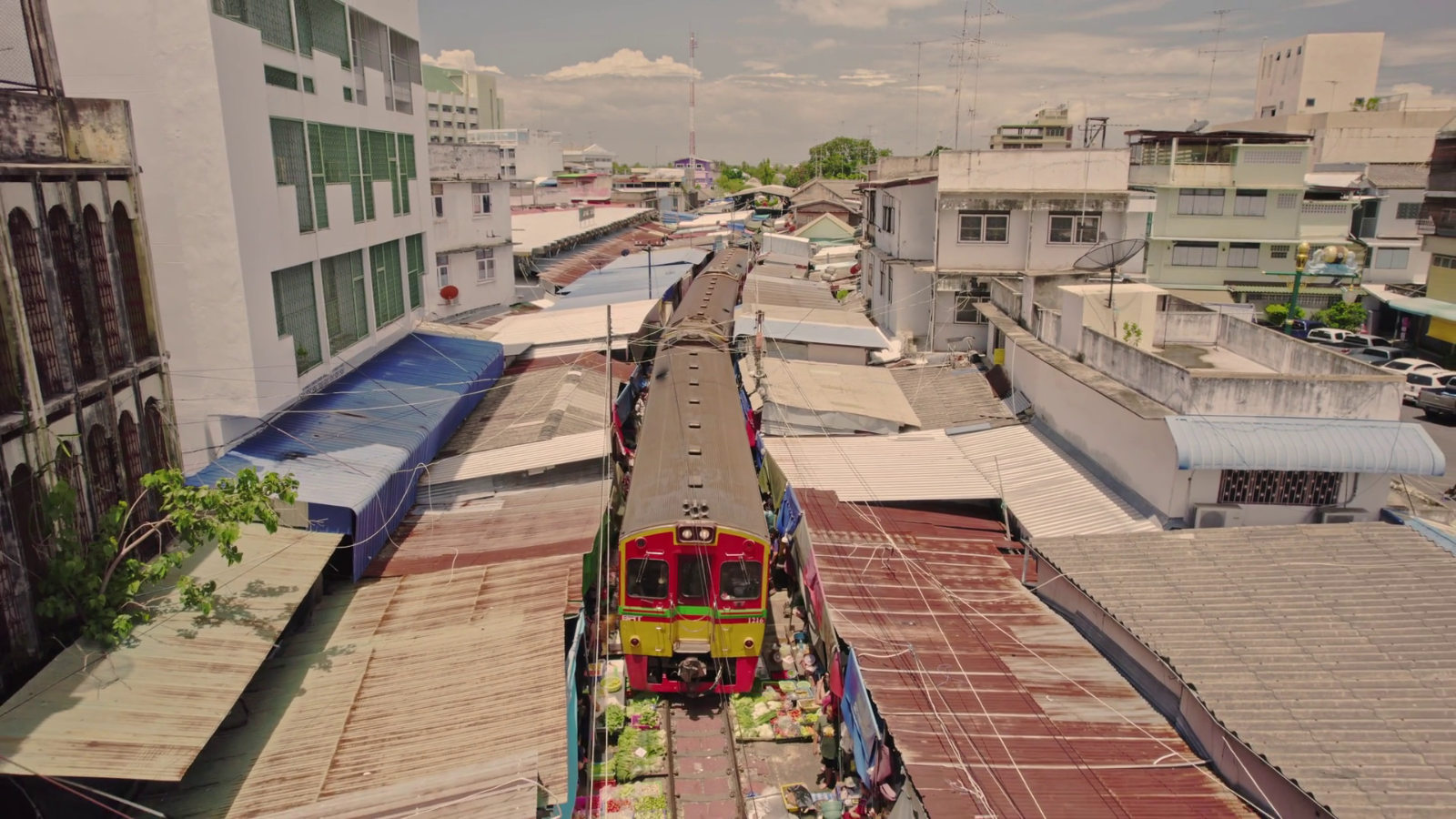
Architecturally, the market is vernacular commerce—corrugated roofing, timber frames lashed to concrete posts, and tarpaulin rain shields strung across the rails. Seafood dominates the west platforms: live catfish in zinc tubs, dried squid racks, fermented shrimp paste sold by the kilo. The east side handles produce—mangosteen, rambutan, yard-long beans bundled with palm twine. At midday, the canopy traps diesel exhaust and fish brine into a thermal column that rises above the tracks. Morning hours between 08:00 and 11:00 offer cooler air and better light for photography, coinciding with the 08:30 and 11:10 southbound departures.
Maeklong Railway Market tours from Bangkok typically pair the site with Damnoen Saduak Floating Market, forming a half-day circuit through Samut Songkhram Province. Private tour operators emphasize train schedule coordination, as the market's commercial rhythm depends entirely on those eight daily services. Without the train, the market is static retail; with it, the site becomes a study in spatial negotiation and industrial-era infrastructure adapted to informal trade. The line carries forty-two tonnes of cargo daily, mostly seafood bound for Bangkok's wholesale terminals, making the market a functional node in regional supply chains rather than a preserved tableau.

"The market predates zoning enforcement, and eviction attempts collapsed under merchant guild pressure and tourist revenue projections."
A step-by-step walkthrough of Maeklong Railway Market tickets — what you'll see, how long each stage takes, and the details that matter.
You arrive at Kasem Sukhum Alley before 08:30, when the morning southbound service is fifteen minutes out. Vendors are already resetting their stalls from the previous northbound train at 06:20. You position yourself midway along the west platform, where seafood stalls form the densest cluster.
A whistle cuts through the market hum. Merchants unlock wheel brakes on their canvas frames and begin the retraction sequence—awnings fold in accordion pleats, baskets slide on greased runners, and within forty seconds the rails are clear except for a few stray lemongrass stalks.
The locomotive emerges from the northern curve at eight kilometers per hour, horn blaring in short bursts. You step back against a spice vendor's tin wall as the train's mirror housing passes thirty centimeters from your shoulder. Passengers lean from open windows, photographing the corridor of produce. The last carriage clears, and vendors reverse the sequence: frames snap upright, tarps unfurl, and commerce resumes before the diesel smoke dissipates. You walk the kilometer-long market, stopping at a fermented fish stall where the owner weighs shrimp paste in ceramic jars, then cross to the produce section for sliced pomelo sold in palm-leaf cones. The 11:10 train is two hours away, enough time to circuit the perimeter stalls and photograph the manual turntable at the southern terminus where engines reverse direction for the return trip to Ban Laem junction.
The market is open from 06:00–18:00 daily. Visitors are welcome during these hours throughout the week.
No, the entrance fee is 0 THB (Free entry) for all visitors. This makes it an accessible experience for everyone.
The best arrival window is 08:00–11:00. This timing allows you to avoid the intense midday heat while catching the scheduled train arrivals.
Yes, photography is permitted. Please stay off the tracks when the train is moving and respect the vendors as you capture the scene.
The area is flat, but the uneven ground and crowds can be challenging. It is generally accessible with caution and assistance.
You can bring small bags, but avoid large luggage as the pathways are narrow and crowded. Keep personal items secure at all times.
Yes, you will find plenty of local food and drink vendors selling snacks and refreshments throughout the market.
Since there is no fee, there are no formal cancellation penalties for visiting the site. Check with your tour operator if you have booked transportation.
You can reach the area via a 1.5-hour taxi ride from Bangkok or take a local bus to Samut Songkhram.
Yes, children are welcome. Ensure they are supervised constantly because of the moving train and the busy, narrow market aisles.